Preserving Nature's Moment
Transforming ephemeral beauty into enduring botanical art through meticulous preservation techniques
The Art of Preservation
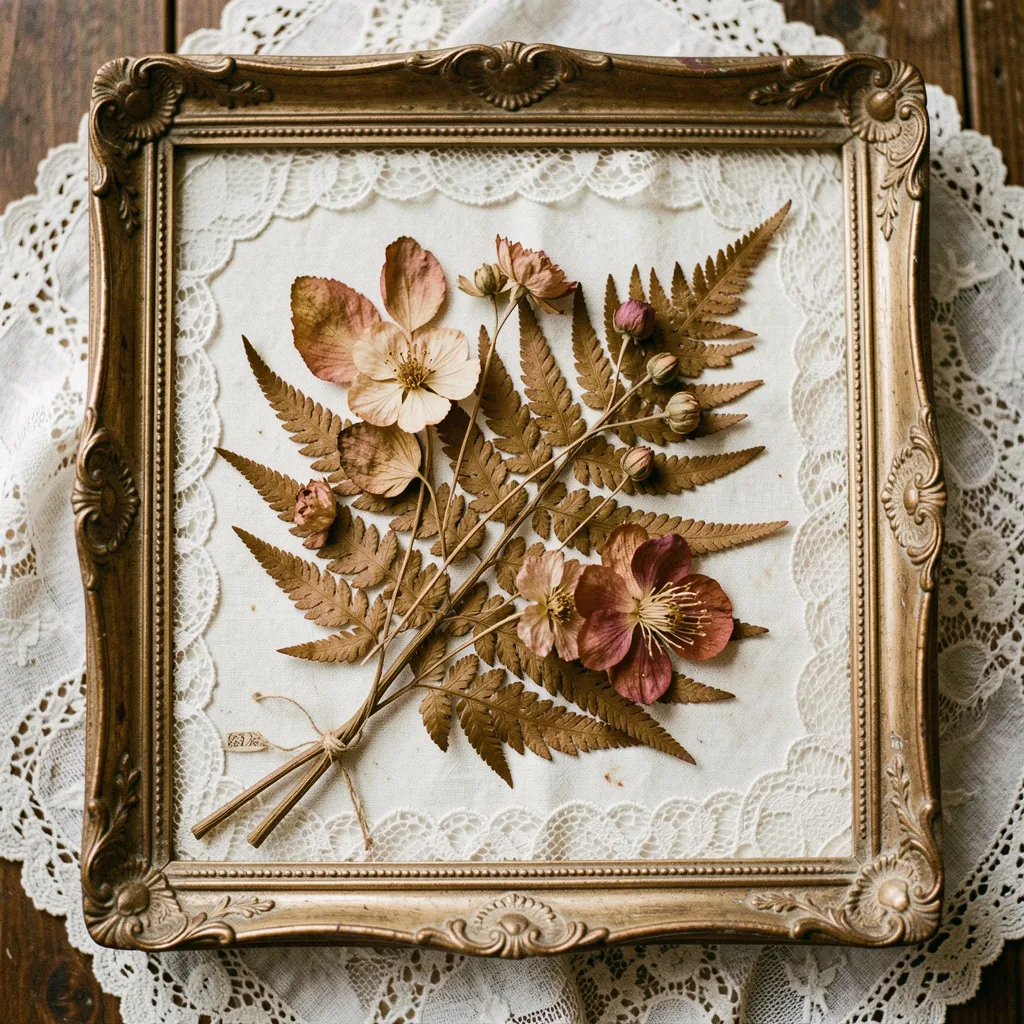
Scientific Approach
Each botanical specimen undergoes a carefully controlled preservation process designed to maintain structural integrity and visual appeal over extended periods.
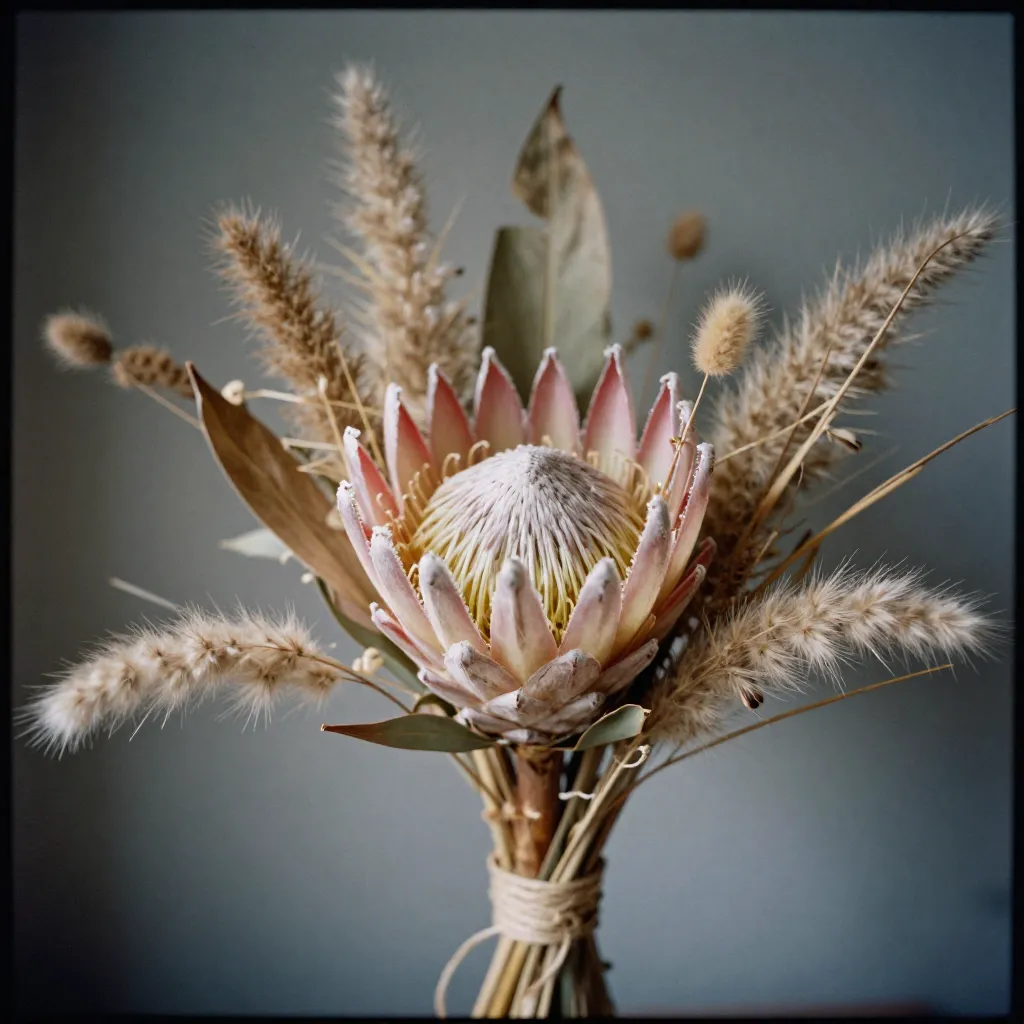
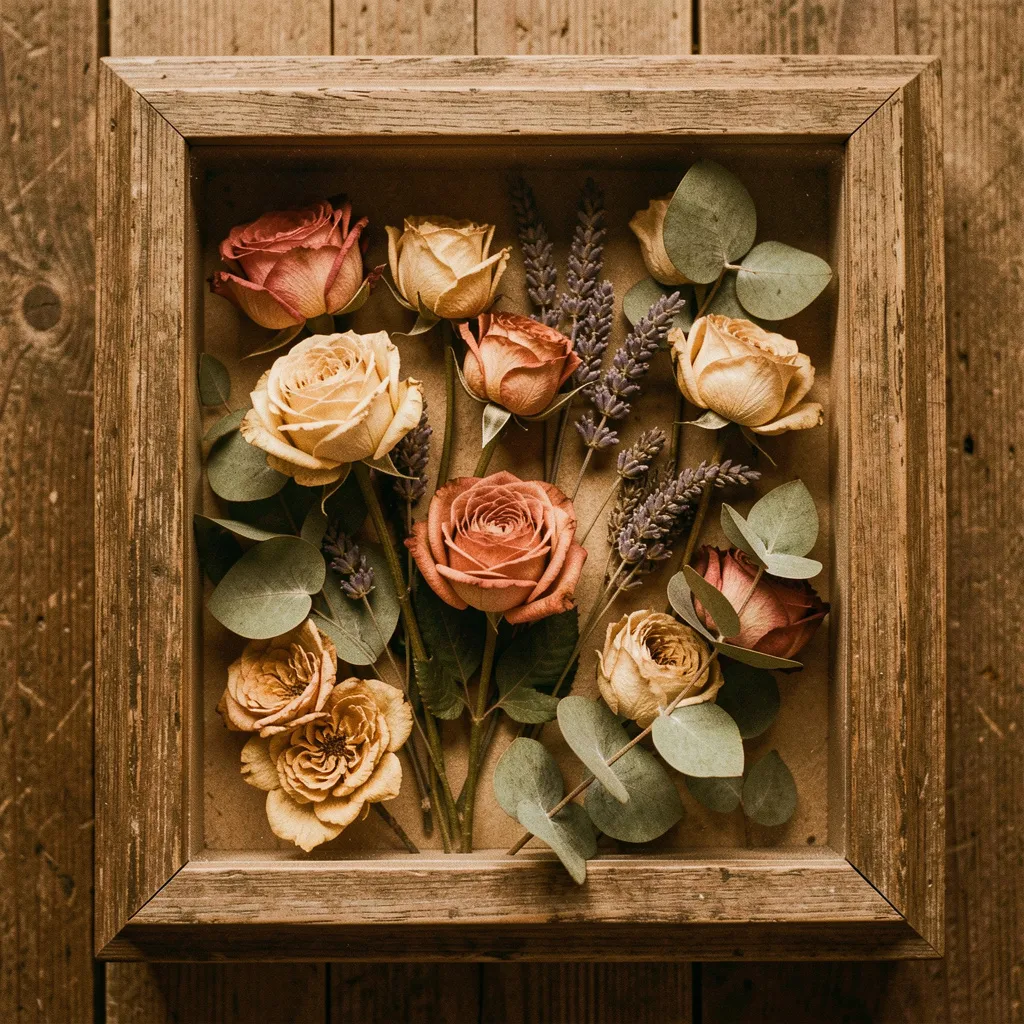
Composition Design
Our arrangements balance negative space, depth, and botanical elements to create harmonious compositions that celebrate natural forms.
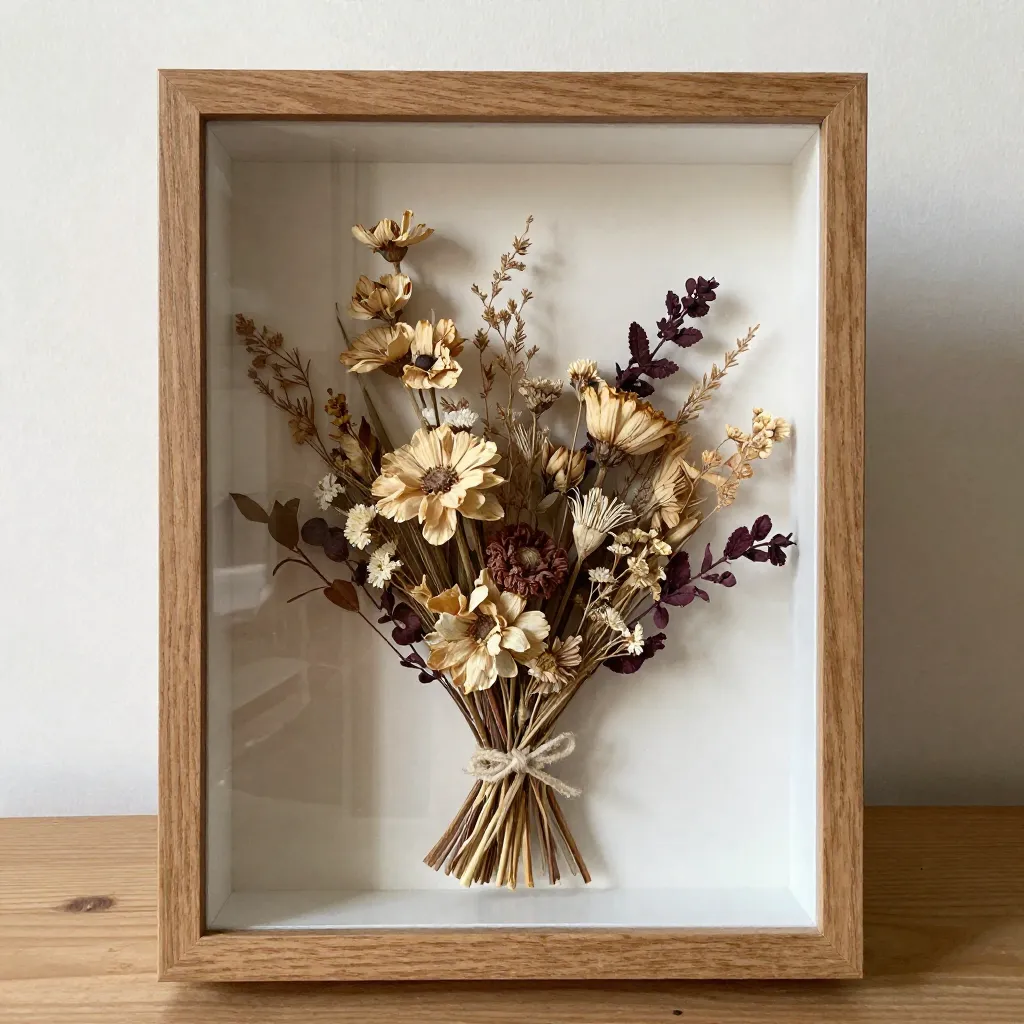
Shadow Box Framing
Three-dimensional framing techniques allow preserved botanicals to be displayed as architectural elements within glass enclosures.
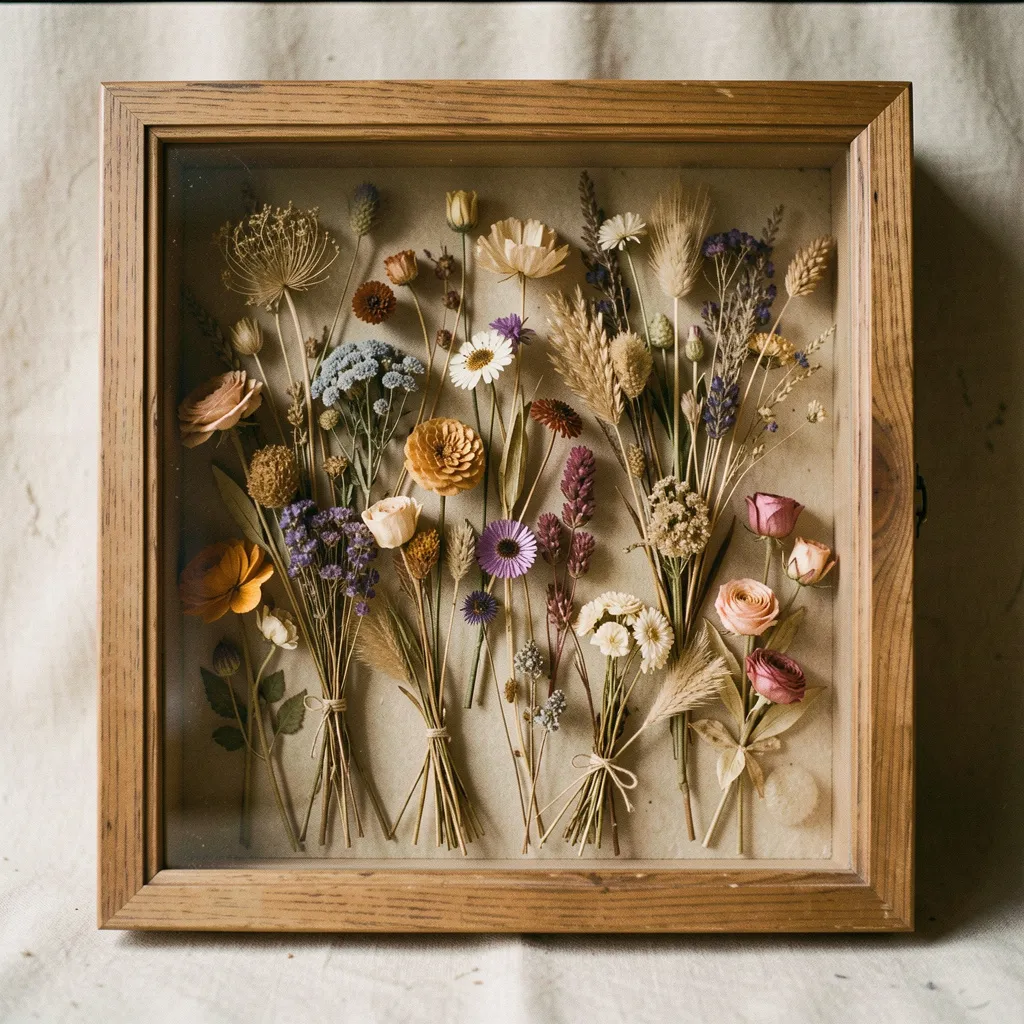
Preservation Methods
Multiple techniques ensure optimal results for different botanical species
Silica-Gel Suspension
Delicate flowers are preserved using silica gel to maintain color saturation and petal structure. This method is particularly effective for maintaining the original appearance of blooms.
Air-Curing Process
Natural air-drying techniques allow botanicals to gradually transition while preserving their organic character. This method emphasizes patience and careful monitoring.
Pressing Techniques
Select specimens are pressed to create flat compositions suitable for framing. This approach highlights the intricate details of leaves and petals.
Botanical Architecture
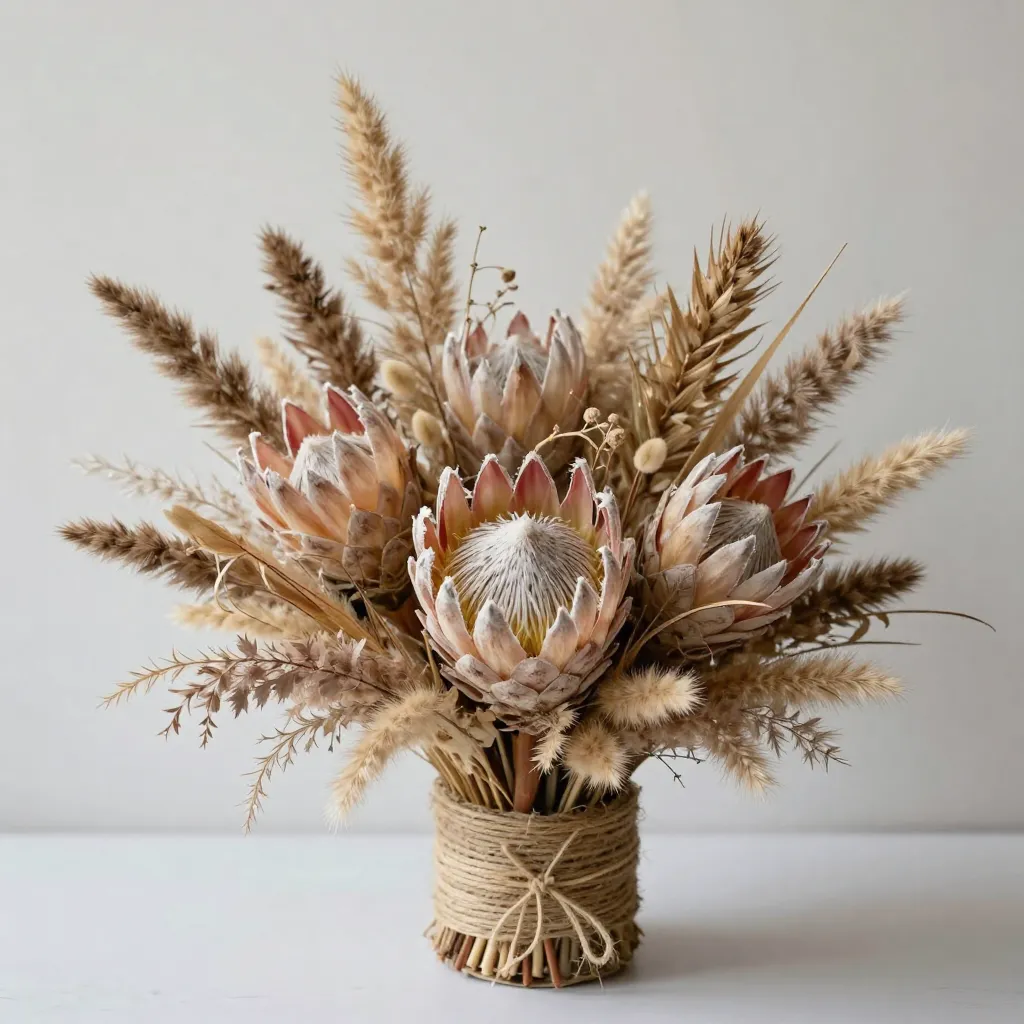
Depth and Dimension
Creating visual depth through strategic placement of preserved elements allows each arrangement to function as a three-dimensional composition.
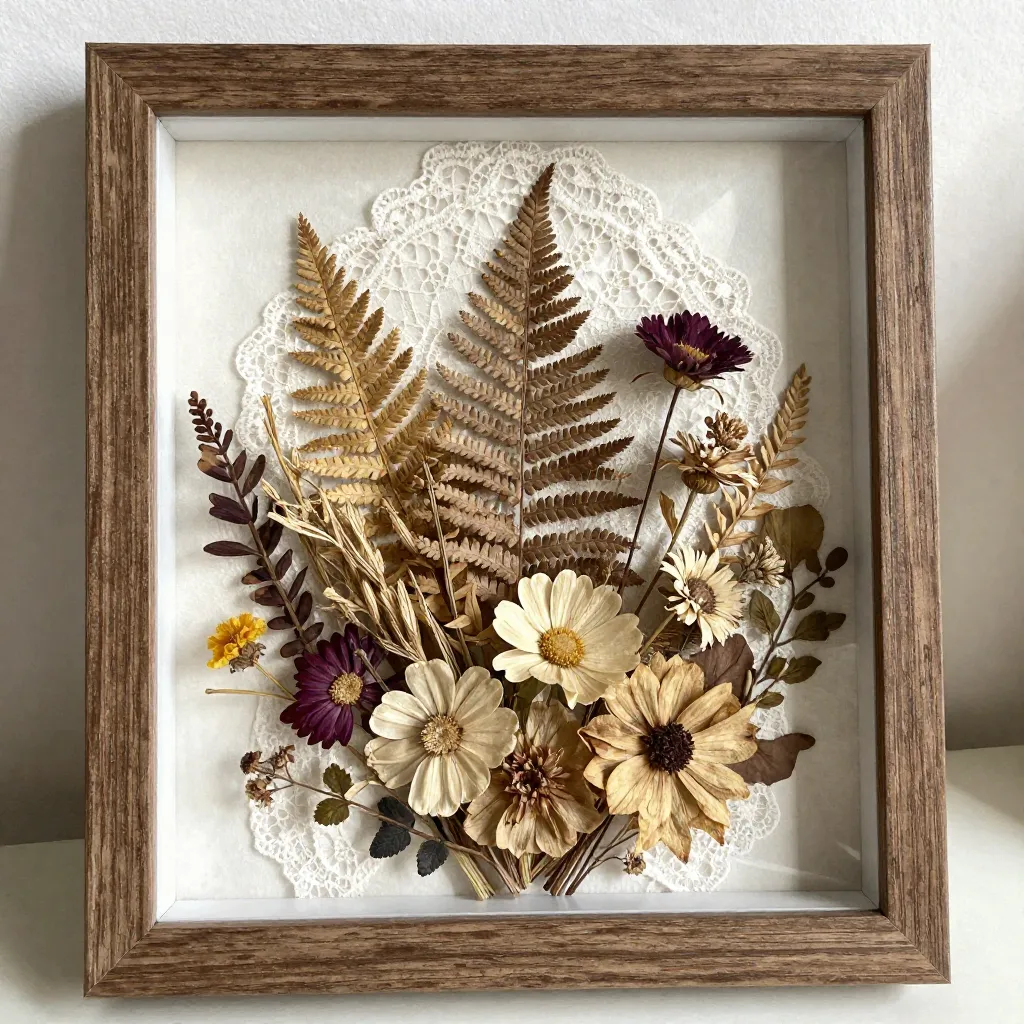
Geometric Balance
The relationship between positive and negative space creates visual harmony. Each element is positioned to contribute to the overall composition.
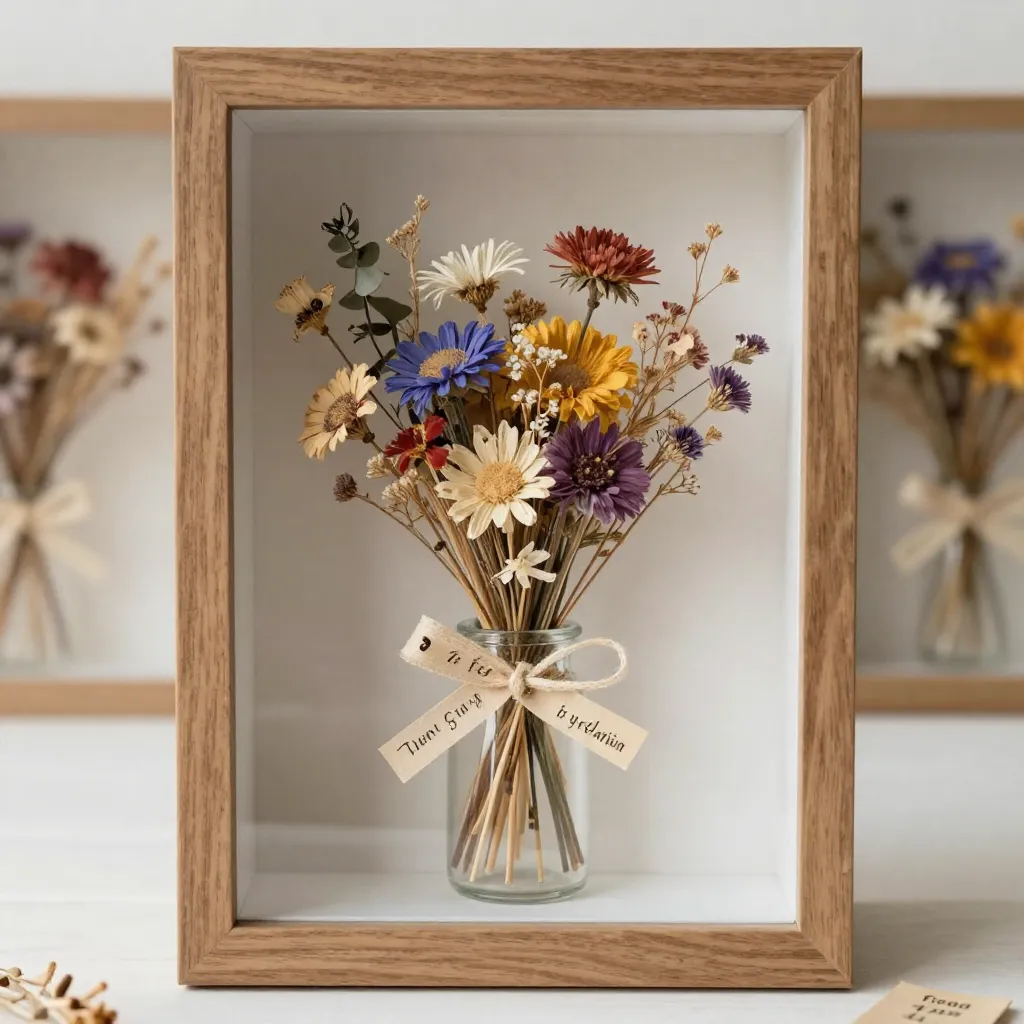
Structural Integrity
Preserved botanicals maintain their structural qualities, allowing for arrangements that emphasize natural forms while ensuring longevity.
The Preservation Journey
Selection
Botanicals are selected at optimal stages of development to ensure the best preservation results. Timing and condition are carefully considered.
Preparation
Each specimen is prepared according to its specific requirements. This may include cleaning, trimming, or initial treatment before preservation begins.
Preservation
The chosen preservation method is applied with attention to environmental conditions and timing. The process is monitored throughout.
Composition
Preserved elements are arranged into compositions that highlight their natural beauty while creating visually engaging displays.
Framing
Final arrangements are placed in shadow boxes or frames designed to protect and showcase the preserved botanicals effectively.
Documentation
Each piece is documented with information about the botanicals used, preservation methods applied, and care instructions for longevity.
Enduring Beauty
Preserved botanical arrangements are designed to maintain their appearance over extended periods when properly cared for. The preservation process stabilizes organic materials, allowing them to be enjoyed as decorative elements for years to come. Proper display conditions and minimal handling contribute to the longevity of each piece.
Environmental Considerations
Display locations should avoid direct sunlight, excessive humidity, and temperature fluctuations. These factors can affect the appearance of preserved materials over time.
Maintenance
Preserved arrangements require minimal maintenance. Occasional dusting with a soft brush or compressed air helps maintain their appearance without disturbing the composition.