The Archives
A curated collection of preserved botanical specimens organized by families
Botanical Families Collection
Each specimen in our archive represents a carefully preserved botanical element, documented with its scientific classification, preservation methodology, and expected lifespan. This collection serves as both a reference and a celebration of preserved natural forms.
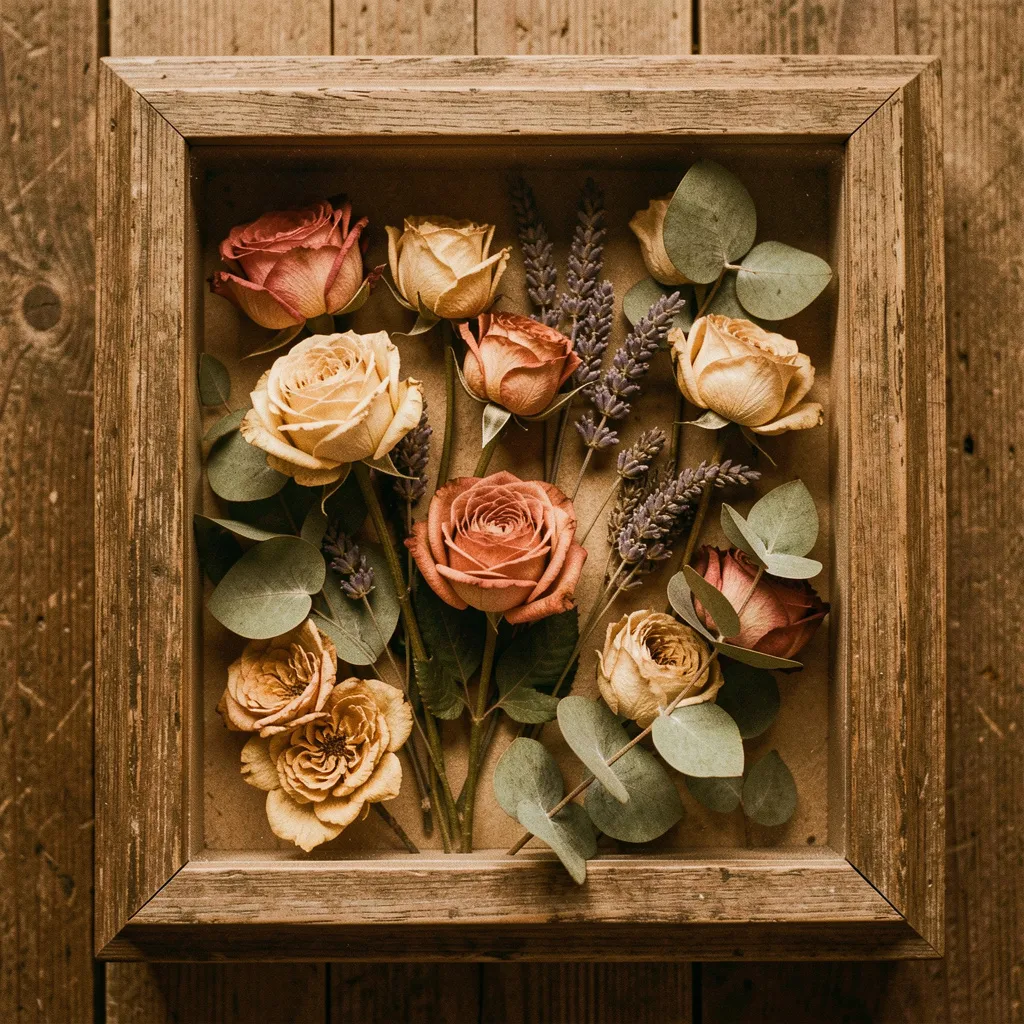
Rosa damascena
Preservation Method: Silica-Gel Suspension
Life Span: 5-7 years under optimal conditions
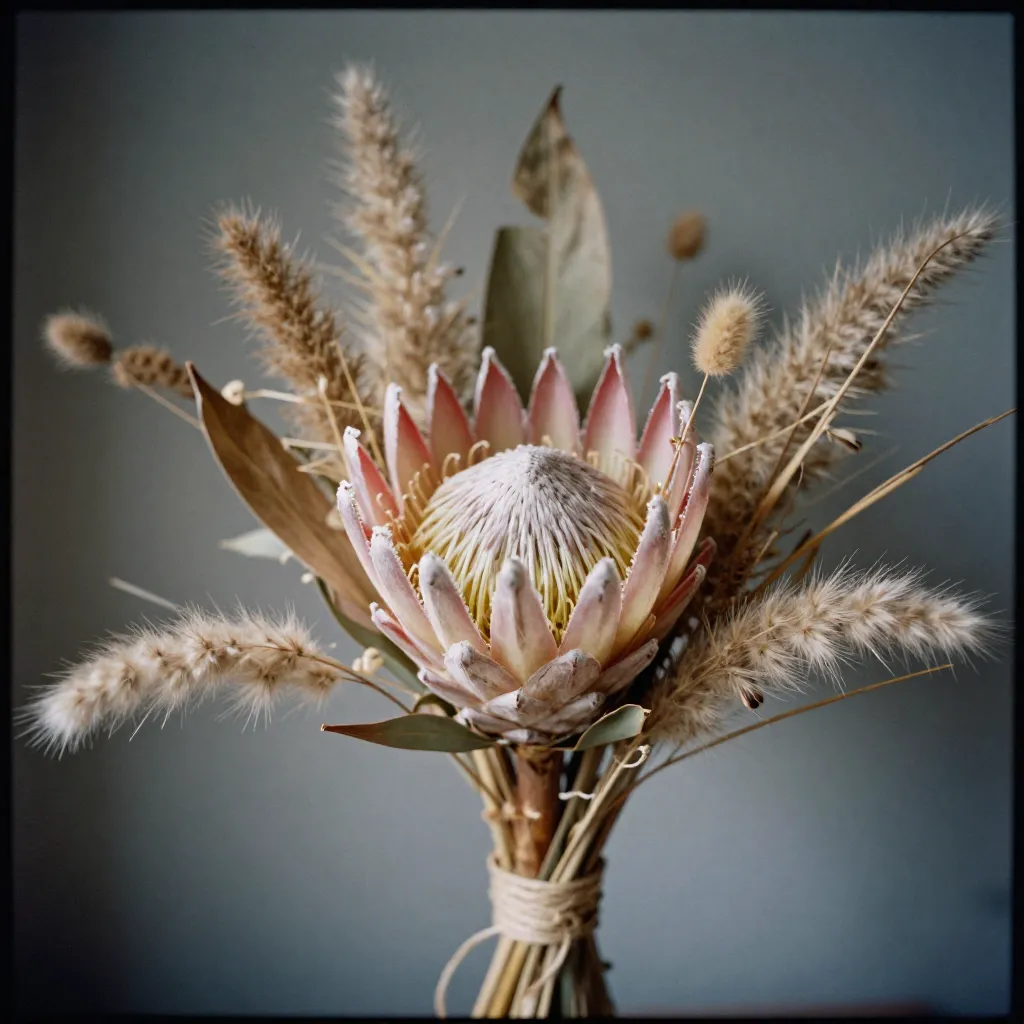
Helianthus annuus
Preservation Method: Air-Curing Process
Life Span: 4-6 years with proper maintenance
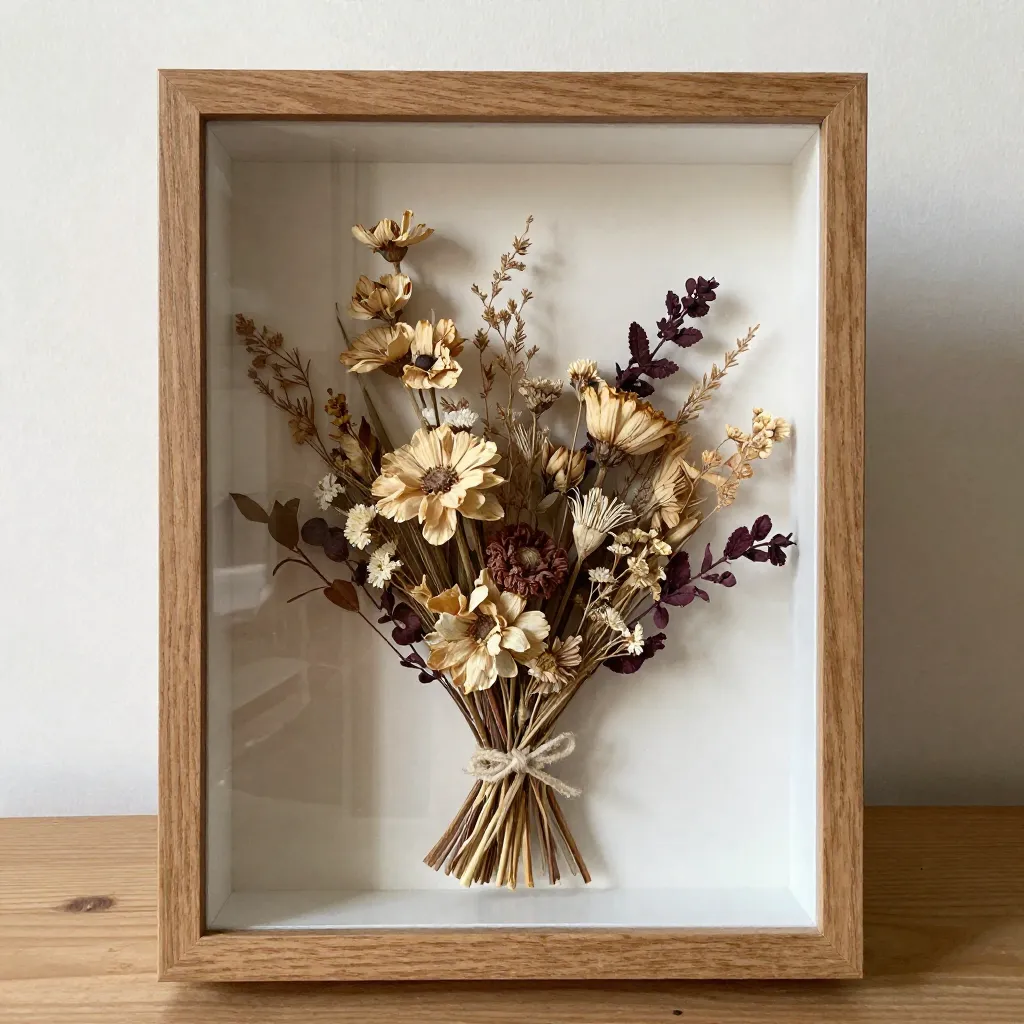
Lavandula angustifolia
Preservation Method: Natural Air-Drying
Life Span: 6-8 years, maintains fragrance
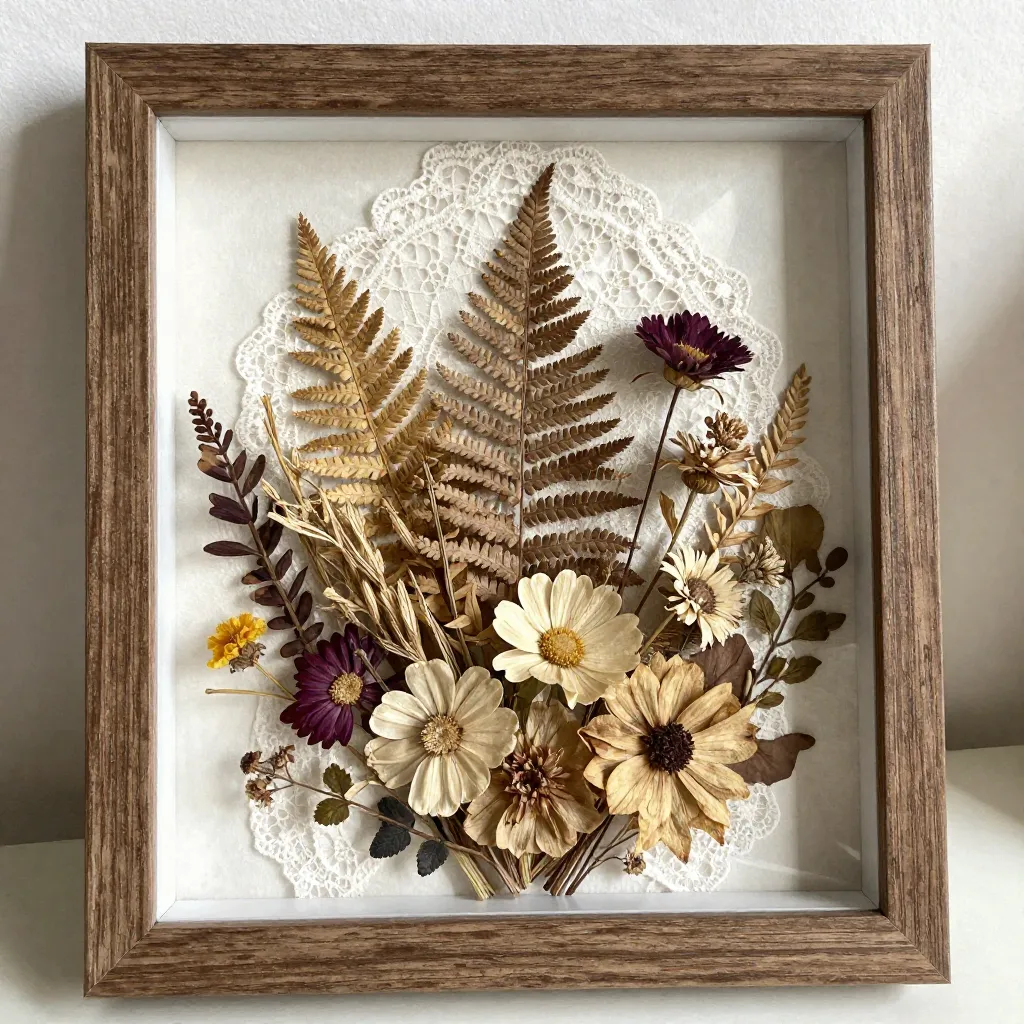
Wisteria sinensis
Preservation Method: Silica-Gel Suspension
Life Span: 5-7 years, color retention excellent
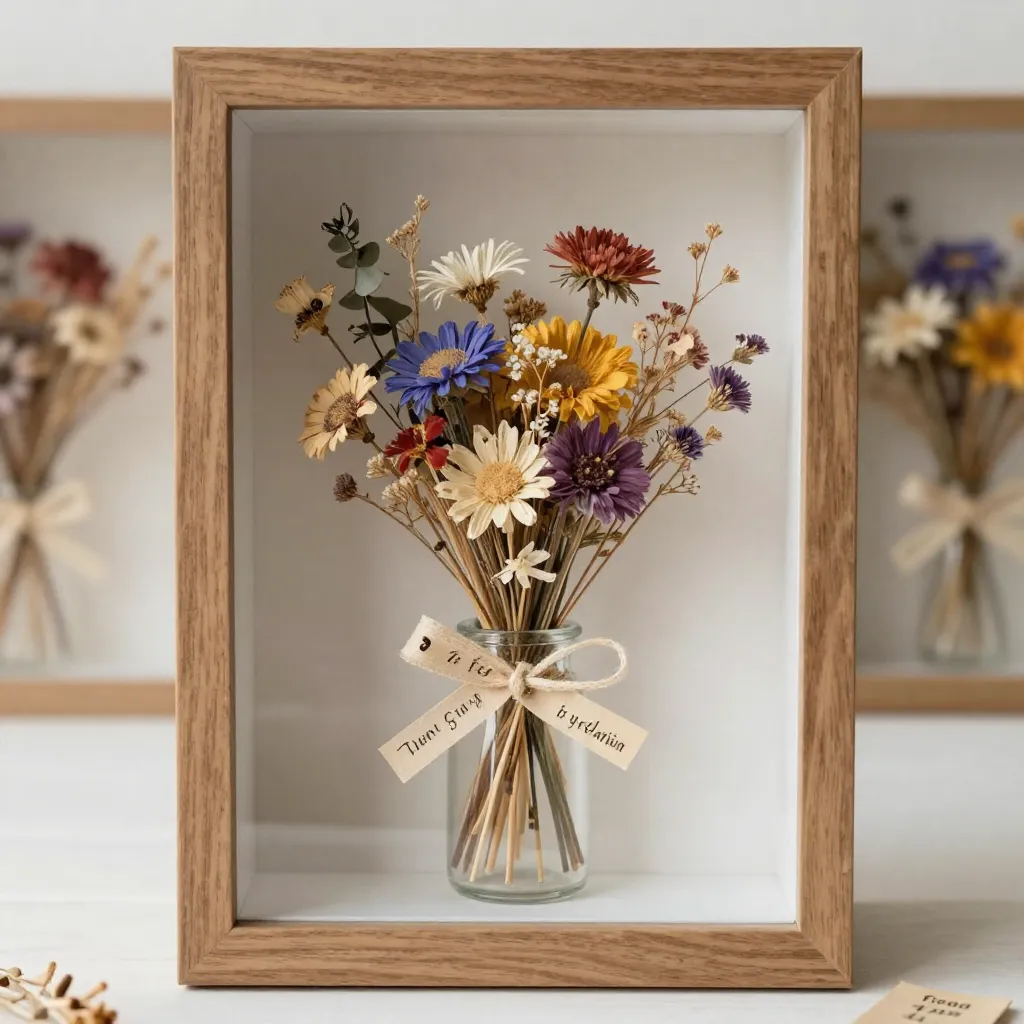
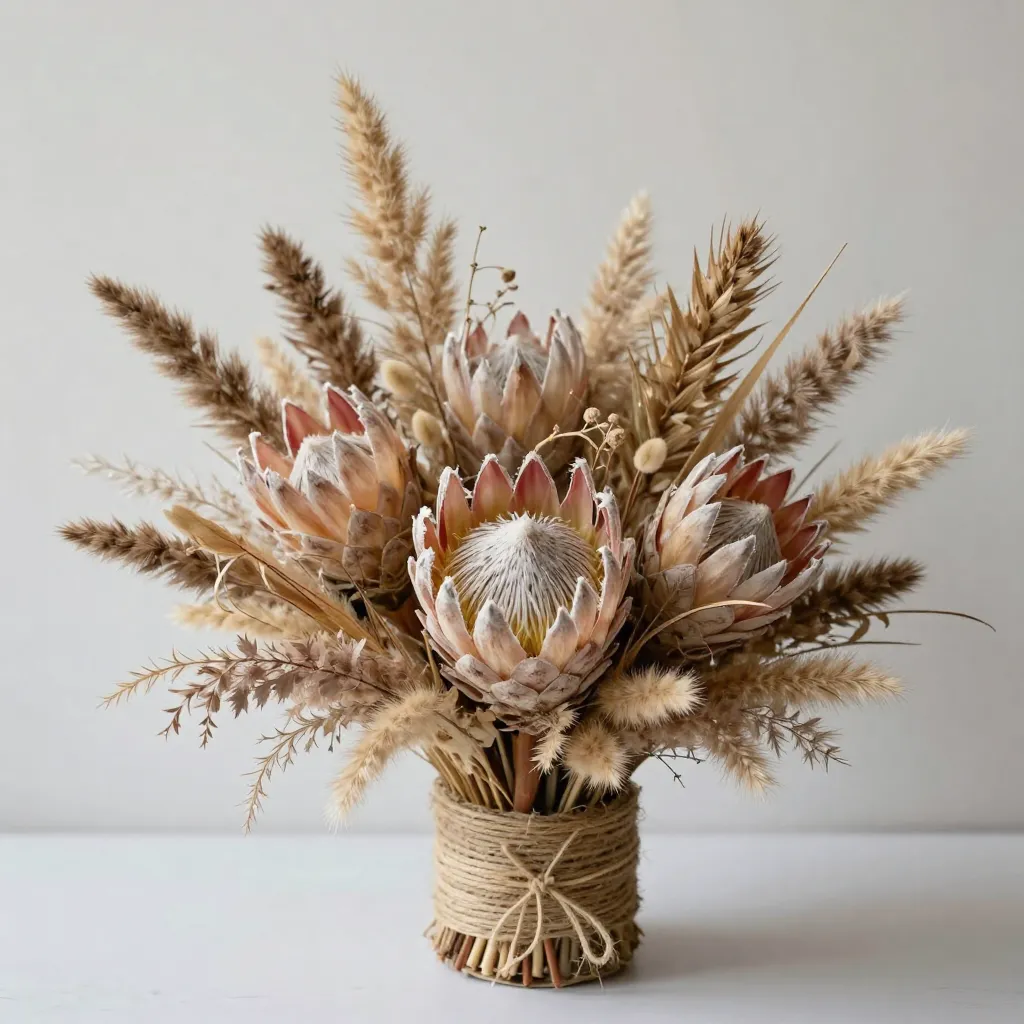
Miscanthus sinensis
Preservation Method: Air-Curing Process
Life Span: 7-10 years, structural integrity maintained
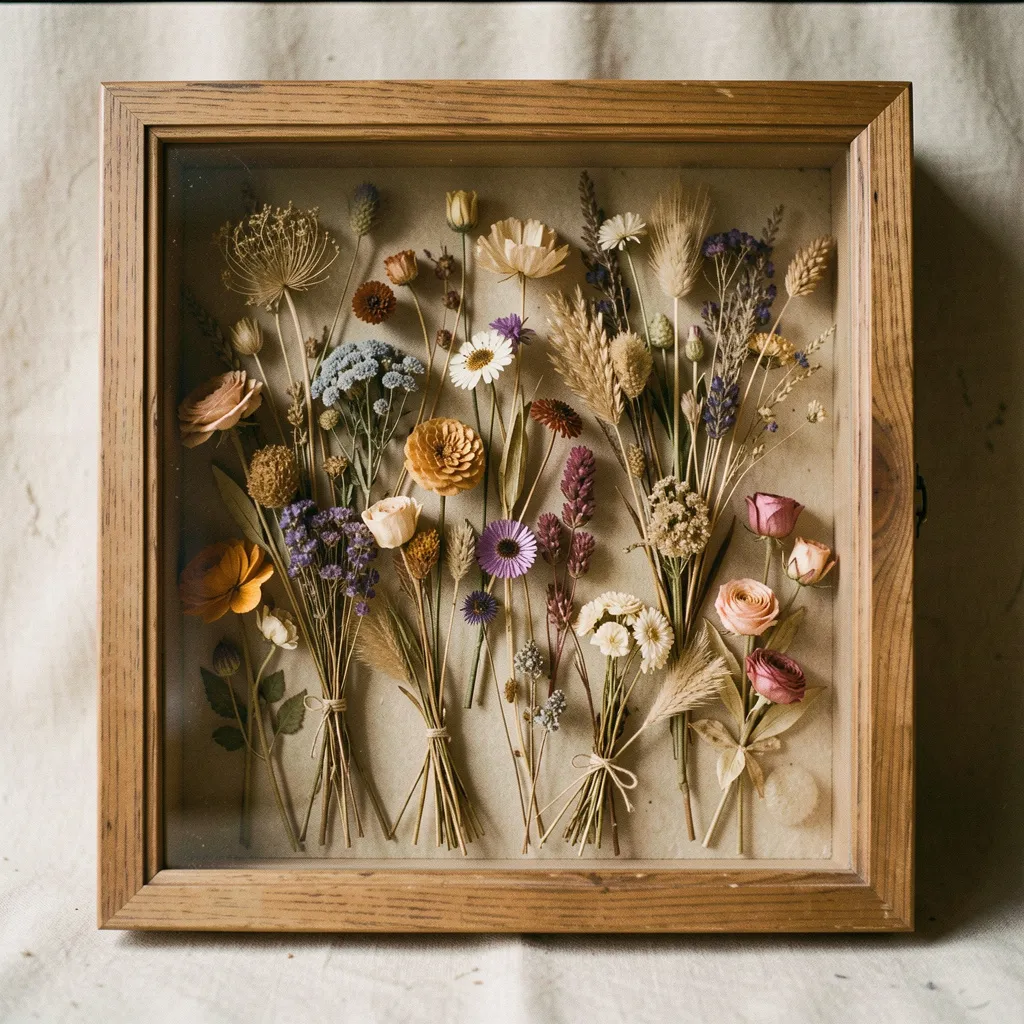
Ranunculus asiaticus
Preservation Method: Silica-Gel Suspension
Life Span: 4-6 years, delicate structure preserved
Preservation Methodology
Silica-Gel Suspension
This method involves submerging botanical specimens in silica gel crystals, which gradually absorb moisture while maintaining the original shape and color of the material. Ideal for delicate flowers with high moisture content.
Air-Curing Process
Natural air-drying allows botanicals to dehydrate gradually in controlled environments. This method preserves the organic character and natural texture of materials while ensuring structural stability.
Life Span Documentation
Each specimen's expected lifespan is based on optimal display conditions, including controlled lighting, humidity levels, and minimal handling. Actual longevity may vary based on environmental factors.
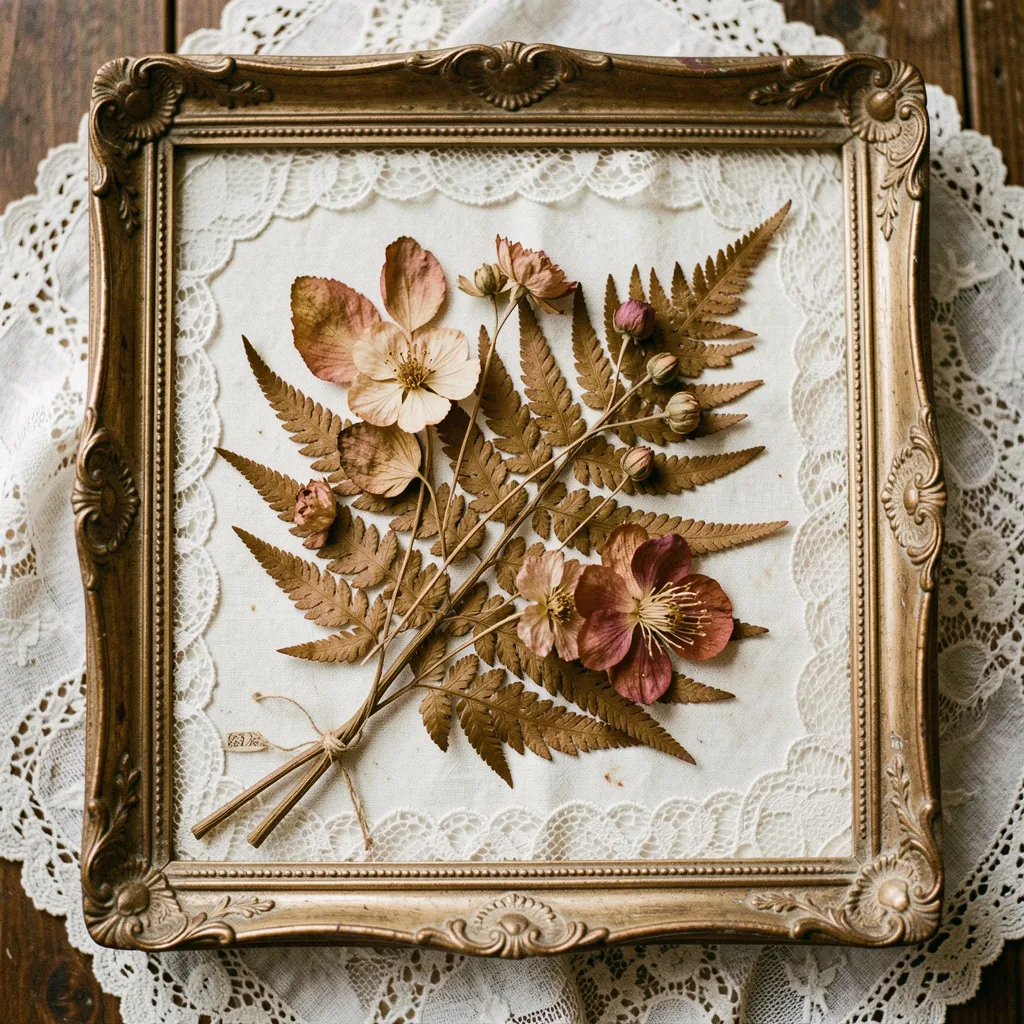
Documentation Standards
Each specimen is cataloged with scientific accuracy and preservation details
Scientific Classification
All specimens are identified using binomial nomenclature, providing accurate botanical classification for reference and research purposes.
Preservation Records
Detailed documentation of preservation methods, dates, and environmental conditions ensures accurate tracking of each specimen's history.
Care Instructions
Specific care guidelines are provided for each specimen type, helping maintain optimal appearance and longevity over time.